




























































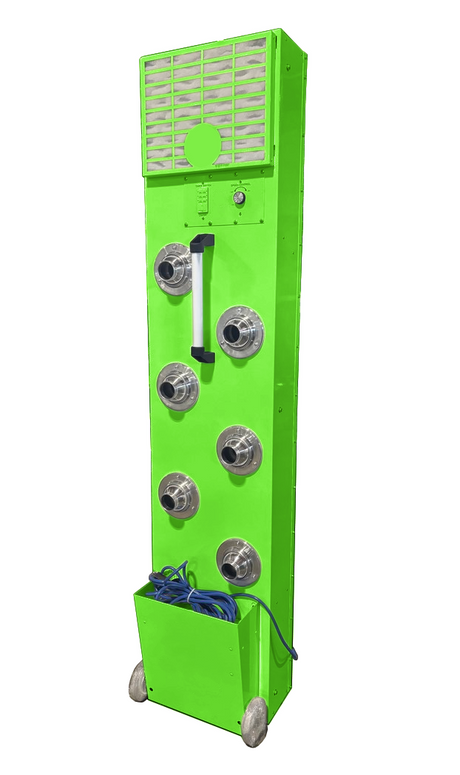

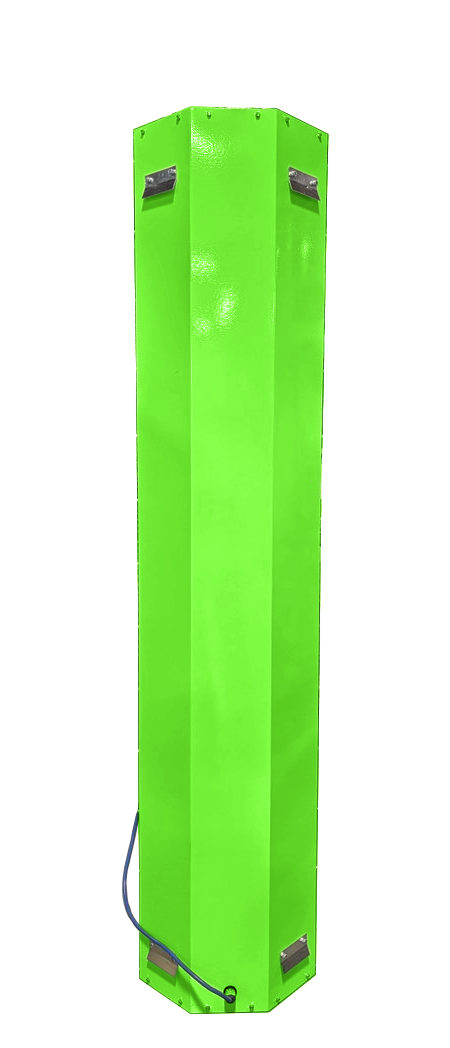
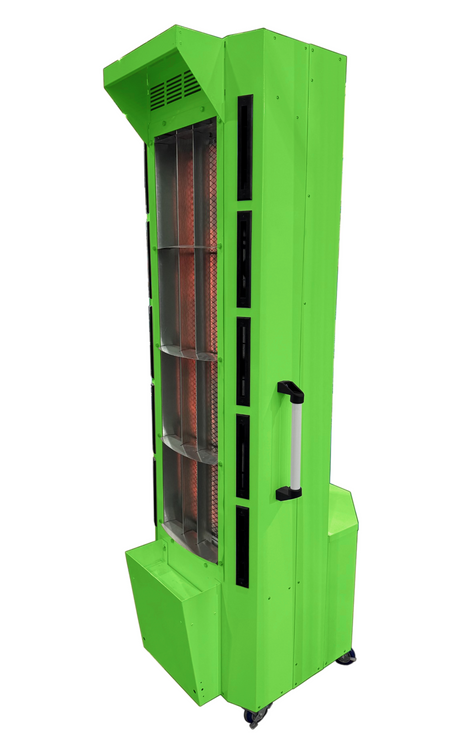
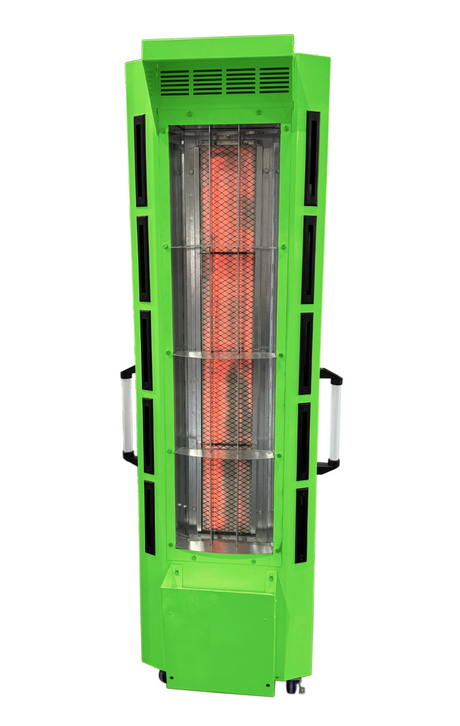





















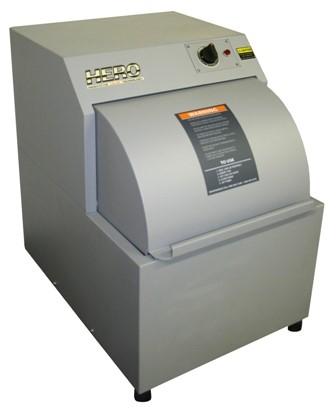
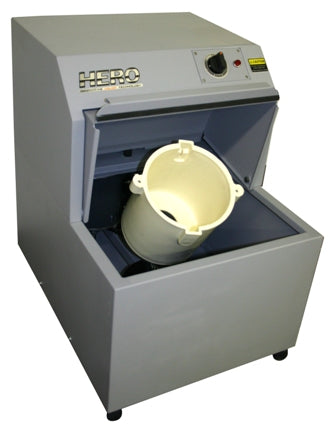
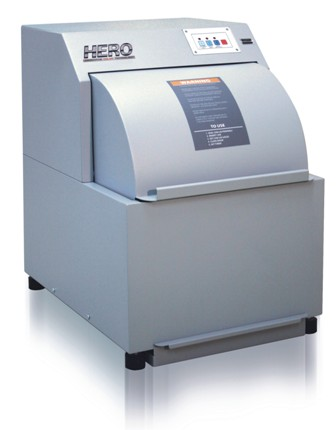
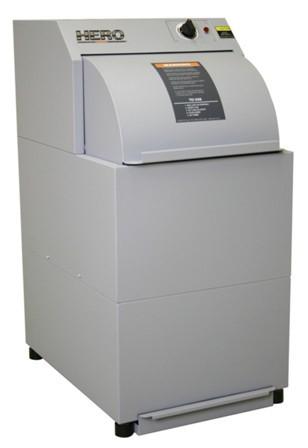








Dust Collection and Sanding Booths

Heavy-Duty Dust Control Booths & Systems
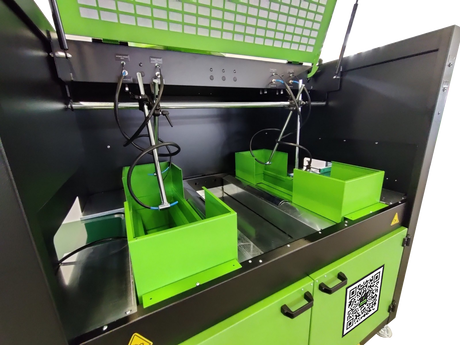
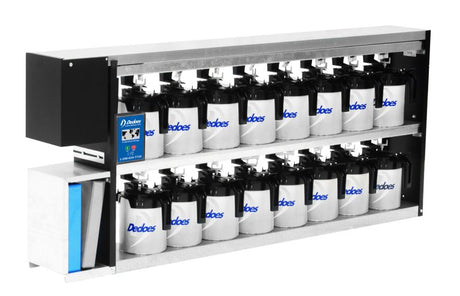
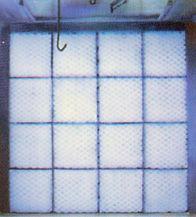
Eliminating dust and debris from your shop or workspace is critical. Designed to capture and filter dust and other airborne particles, dust collection booths not only improve air quality but keep your wet coated projects from getting ruined. Dust booths work great for larger applications, conveyor systems, or any item too large for a downdraft table.
Our experts are standing by to help you select the right feeding method for your application. With more than 30 years of industry experience, Total Finishing Supplies has the right expertise. Please call or text us at 503-545-3176 with any questions. We’re on standby to help!
OSHA and NFPA Compliance Standards
Protecting operators from airborne particulates requires precise face velocity and compliant airflow management. Total Finishing Supplies designs dust control booths to meet rigorous OSHA Permissible Exposure Limits and NFPA 33 guidelines for combustible dust. Proper containment prevents hazardous wood or metal particles from migrating into adjacent work zones.
Preventing Cross-Contamination in Finishing Lines
Airborne debris in sanding bays routinely ruins nearby wet paint applications. Isolating aggressive prep work within specialized enclosures prevents dust nibs from settling on freshly coated surfaces. Integrating reliable enclosures into your layout ensures high finish quality and drastically reduces costly rework across your production line. Outfitting your facility with professional finishing supplies keeps your operational workflow running efficiently.
Ready to optimize your shop air filtration? Add dust control booths to your cart today.
Frequently Asked Questions
How do I calculate the correct CFM for my sanding enclosure?
Determine the face velocity needed for your specific process, typically 100 feet per minute for standard industrial hand sanding. Multiply the open face square footage of the enclosure by that target air speed to establish your base exhaust rating.
What is the advantage of a pulse-jet cleaning system?
Reverse pulse-jet systems blast compressed air through cartridge filters to knock down caked dust without interrupting shop production. This automated process extends filter media life and maintains steady suction across daily shifts.
How often should cartridge filters be replaced?
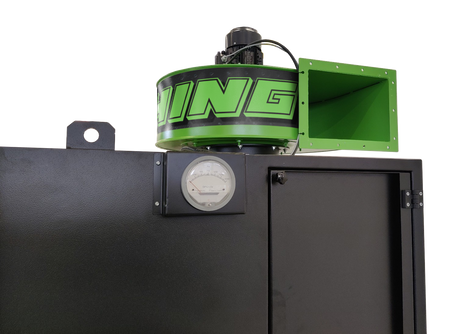
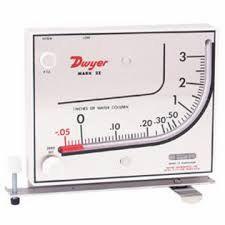
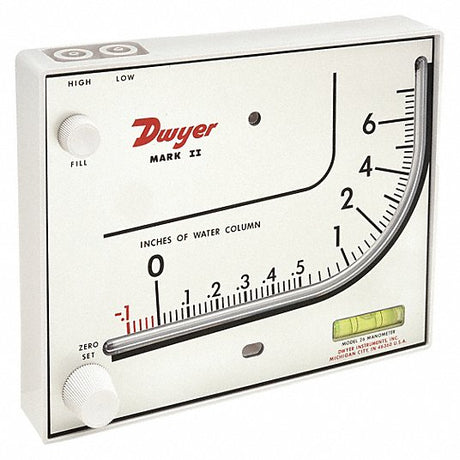
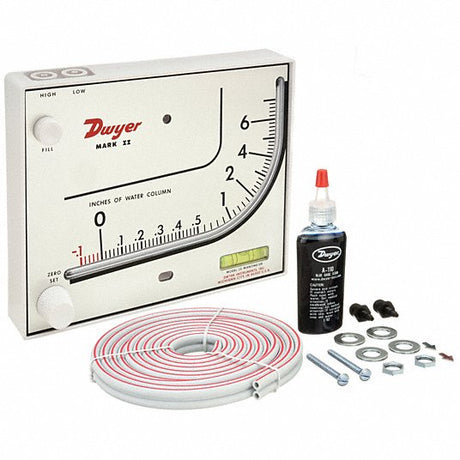
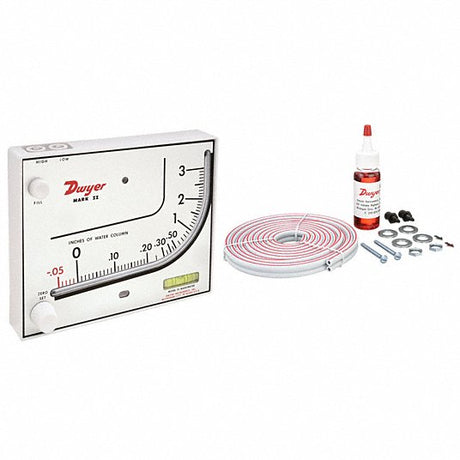
Monitor your magnehelic differential pressure gauge regularly to track internal resistance. When the static pressure differential remains elevated even after pulse cleaning cycles, replace your cartridge filters to protect your exhaust fan motor.
Can these systems handle combustible wood or metal dust safely?
Units handling explosive particulate require grounded construction, explosion-proof motors, and static-conductive filter media. Facilities must evaluate their specific dust hazard analysis to select appropriate spark arrestors and safety features.
What noise levels should our shop floor expect during operation?
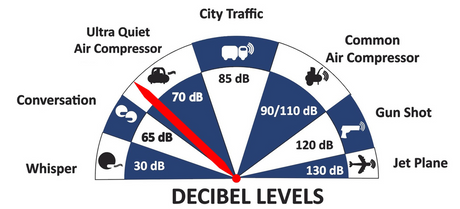
Standard industrial fan packages typically operate between 75 and 85 decibels depending on motor size and airflow resistance. Installing integrated silencers or sound attenuation ducting lowers ambient shop noise significantly for equipment operators.
Dust Collection and Sanding Booths - Site Navigation

Total Finishing Supplies Spray Booths
Total Finishing Portable Powder Coating Spray Booth With Cartridge Filter
Regular priceUnit price /Unavailable-
-


