








































































Laser Cleaning

Laser Cleaning
Reliable, High-Quality Laser Cleaners
Benefits of Laser Cleaners
Beyond removing surface contaminants, laser cleaners can help improve production efficiency by reducing the need for abrasive media and minimizing cleanup between jobs. Because the process is highly controlled, operators can clean intricate components and hard-to-reach areas with precision while leaving nearby surfaces unaffected.
At Total Finishing Supplies, we can help identify equipment that complements your existing workflow and integrates with your other professional finishing supplies.
Applications for Laser Cleaner Technology Across Industries
A laser cleaner supports a wide range of industrial processes where clean surfaces are essential for quality results. Manufacturers often use laser cleaning before welding or coating to promote better surface preparation, while maintenance teams rely on it to remove buildup from molds and production equipment.
Automotive, aerospace, marine, and fabrication facilities can also use laser cleaning during restoration, preventive maintenance, component cleaning, and equipment refurbishment to help keep operations moving with fewer interruptions.
If you're evaluating laser cleaning for a single workstation or a larger production environment, our team at Total Finishing Supplies is here to help. Contact us to discuss your application, compare available equipment, review your cleaning needs, and find the right solution for your operation.
Frequently Asked Questions
How do I choose the right laser cleaning system?
Factors such as material type, production volume, the contaminants being removed, and cleaning speed requirements all influence the best equipment choice. Our team can recommend a system based on your specific application.
Can laser cleaning be incorporated into existing finishing operations?
Yes. Many facilities integrate laser cleaning into their production process alongside coating or maintenance procedures to support a more efficient workflow.
How much maintenance does a laser cleaning system require?
Routine maintenance is generally limited to following the manufacturer's recommended inspection and cleaning schedule. Keeping optical components clean, verifying system settings, performing periodic checks, and inspecting cables and connections can help maintain consistent performance and extend the equipment's service life. Following proper operating procedures also contributes to reliable long-term operation.
What factors should be considered when selecting a laser cleaning system?
The right system depends on several operational requirements, including the types of materials being cleaned, the contaminants being removed, production volume, available workspace, and portability needs. Evaluating these factors helps ensure the equipment aligns with your workflow and performance expectations.
Can laser cleaning be used for both production and maintenance tasks?
Yes. Laser cleaning is versatile enough to support both day-to-day production activities and ongoing maintenance across a wide range of industrial environments. During production, it is commonly used for surface preparation before welding, painting, powder coating, or adhesive bonding to help create cleaner surfaces for downstream processes. For maintenance, laser cleaning can remove rust, oxidation, coatings, carbon buildup, and other contaminants from tooling, molds, fixtures, and machinery without relying on abrasive media or harsh chemicals.
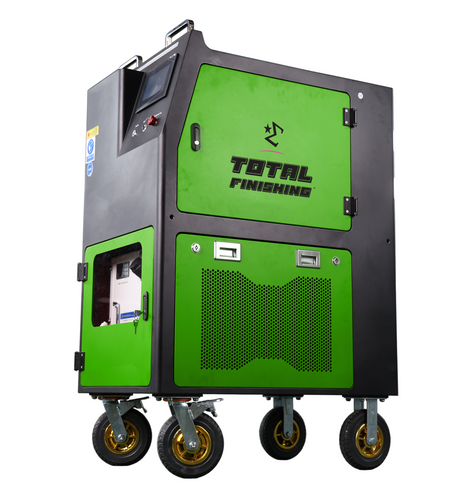
Total Finishing Supplies Laser Cleaners
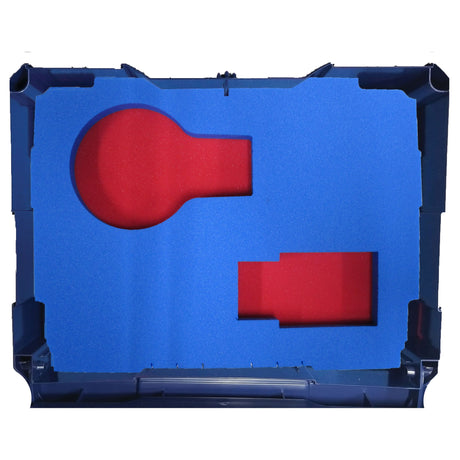
Total Finishing TFS-2000 Continuous Wave Laser Cleaning Machine
Regular priceUnit price /Unavailable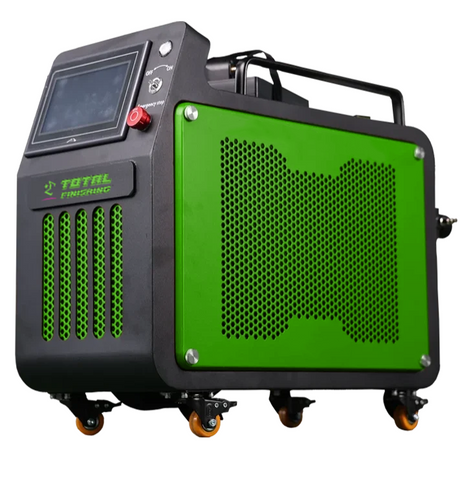
Total Finishing Supplies Laser Cleaners
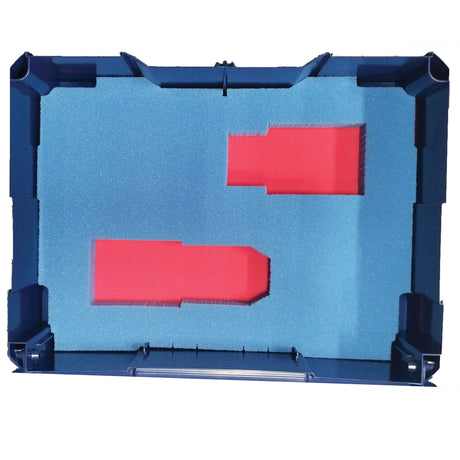
Total Finishing TFS-300 Pulse Wave Laser Cleaning Machine
Regular priceUnit price /Unavailable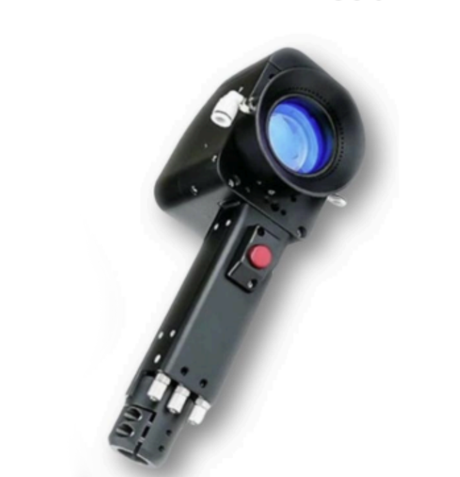
Total Finishing Supplies Laser Cleaners
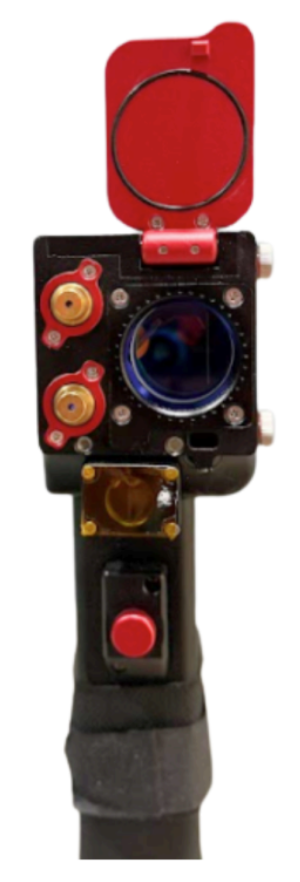
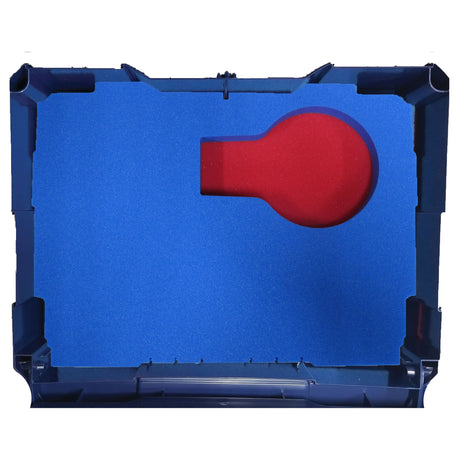
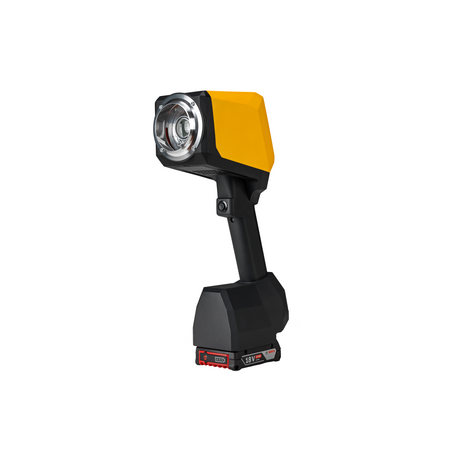
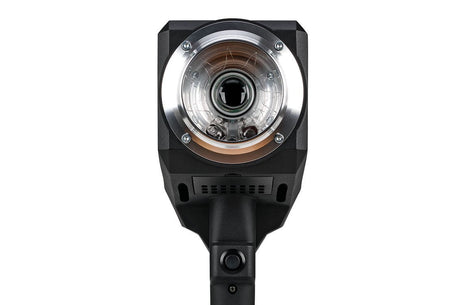
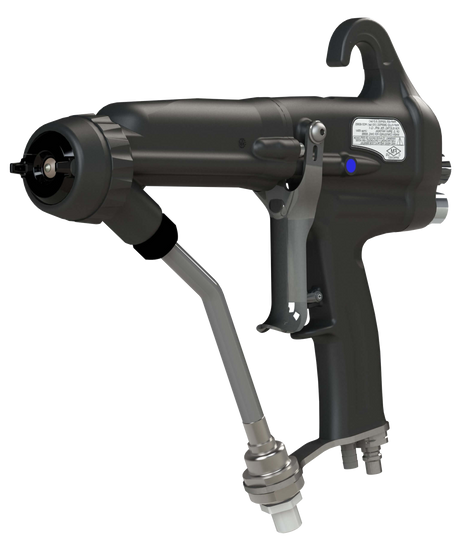
Total Finishing Pulse Wave Laser Cleaning Head
Regular priceUnit price /UnavailableTotal Finishing Supplies Laser Cleaners
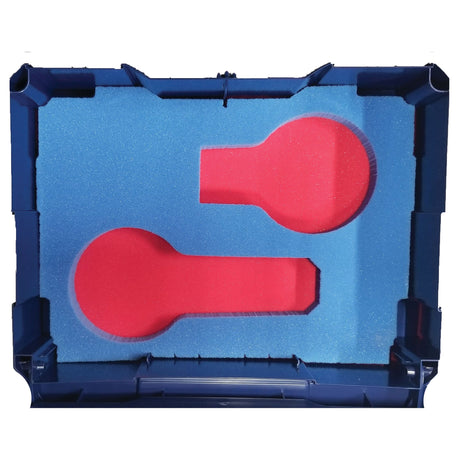
Total Finishing Continuous Wave Laser Multi-Pattern Cleaning Head Kit
Regular priceUnit price /Unavailable-